
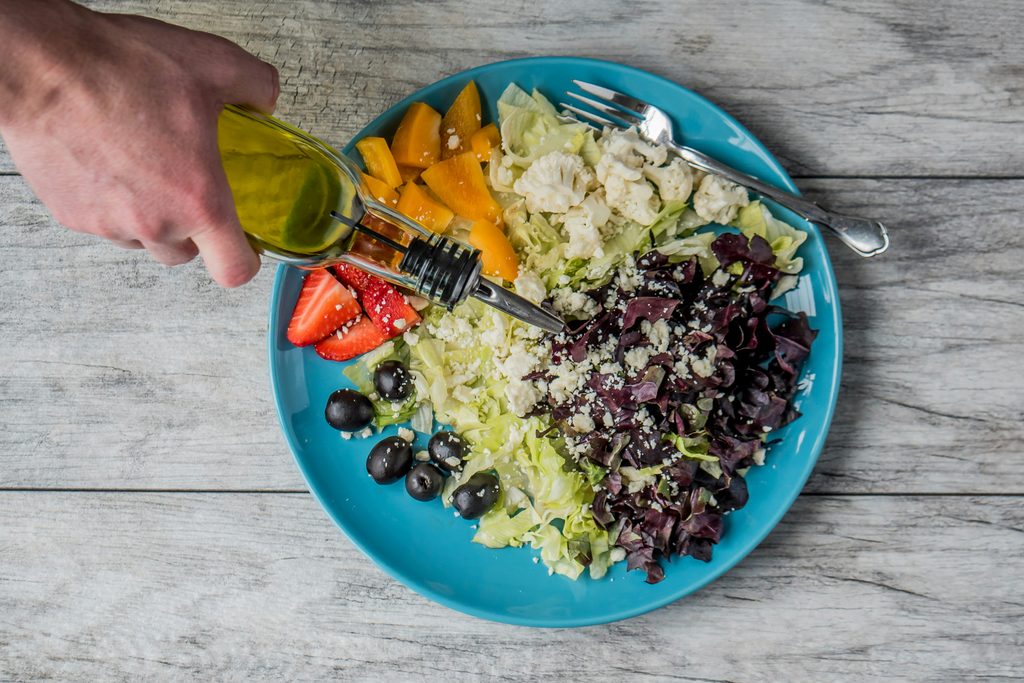
Learning to recognise fruitiness, bitterness and pungency makes it easier to choose an olive oil that suits both your taste and the dish.
Taste and Quality are Not the Same
Which olive oil you enjoy is a matter of personal taste. That does not mean quality itself is simply a matter of preference. Extra virgin olive oil must meet specific legal requirements. Laboratory analysis is used to determine whether the oil meets the established chemical limits. In addition, a trained sensory panel assesses its aroma and flavour. Fruitiness must be perceptible and no defects may be present, such as rancid or musty aromas and flavours.
Within this quality category, however, there can be considerable differences. A mild extra virgin olive oil can be of excellent quality, just as a distinctly bitter and pungent oil can be. One may simply suit your taste or a particular dish better than another.
Fruitiness, Bitterness and Pungency
In the official sensory assessment of virgin olive oil, three positive attributes are central: fruitiness, bitterness and pungency.
Fruitiness can be described as green or ripe. Green fruitiness may be reminiscent of freshly cut grass, tomato leaf, green apple, artichoke or fresh herbs. Ripe fruitiness may evoke ripe apple, pear, banana or other ripe fruit. These are aroma associations: these ingredients have not been added to the oil, nor do you need to detect all of them in a single oil.
Bitterness is a taste perceived on the tongue. When tasting, take a small sip and let the oil spread throughout your mouth. Then draw in a little air. This helps release volatile aroma compounds, allowing you to perceive aromas retronasally, through the mouth and throat. It also makes it easier to notice how bitter and pungent the oil is.
Pungency is not a taste but a tingling or burning sensation that can be felt in the mouth and especially in the throat. The term does not mean that pepper has been added to the oil. The intensity of bitterness and pungency is closely related to the type and amount of phenolic compounds: naturally occurring components of the olive. These vary according to factors including the olive cultivar, the ripeness of the fruit, growing conditions and processing. Oil from less ripe olives is often more bitter and pungent, although this is not a fixed rule. The cultivar and the way the oil is produced also play an important role.
An example of the influence of growing conditions comes from a three-year study of two olive cultivars. Oils from a higher, cooler growing area contained more phenolic compounds and were more bitter and pungent than oils from a lower, warmer area. This should not be taken as a general rule: in this study, the olive cultivar had the greatest influence, followed by the growing location. The harvest year and time of harvest were also important.
Phenolic compounds not only contribute to the bitterness and pungency of olive oil, but also help protect the oil against oxidation.
Read more about phenolic compounds and their significance for health →
Good to Know
Bitterness and pungency are not defects in extra virgin olive oil. They are officially recognised positive attributes. However, a bitter or pungent oil is not automatically better than a mild one. Quality, balance and personal preference all matter.
From Mild to Robust
In practice, olive oils are often broadly described as mild, medium or robust. In professional sensory assessment, the terms delicate, medium and robust are also used to describe the intensity of fruitiness, bitterness and pungency. A delicate profile roughly corresponds to what consumers often describe as mild, while robust indicates a more intense profile.
These terms describe the intensity of an olive oil’s aroma and flavour, not its quality.
Mild
A mild olive oil has a gentle character, with little bitterness or pungency. It is less likely to overpower other flavours and therefore works well with delicately flavoured vegetables, egg dishes and white fish.
Medium
A medium olive oil has more pronounced fruitiness, bitterness or pungency, without any of these attributes becoming dominant. This makes it versatile, for example in salads or with pulses, soups or cheese.
Robust
In a robust olive oil, one or more positive attributes are clearly pronounced. This may mean distinct fruitiness, firm bitterness or a noticeable sensation in the throat. Such an oil can pair well with grilled vegetables, tomato sauces, stews and red meat.
Which Olive Oil Goes With Which Dish?
A useful starting point is to match the intensity of the olive oil to that of the dish. A mild oil is more likely to remain in balance with gentle, subtle flavours. With strongly flavoured, spicy or roasted foods, the olive oil can have a more pronounced presence.
These are not fixed rules. Sometimes contrast can work surprisingly well. A pungent olive oil, for example, can add an interesting edge to a delicate dish, while a mild oil can bring balance to more pronounced flavours.
A study on pairing extra virgin olive oil with food suggests that the balance between the intensity of the oil and that of the dish is particularly important. With saltier, spicier or more aromatic dishes, an oil with more pronounced fruitiness and pungency may hold its own better.
Your Own Taste is What Matters
A label can provide clues, but it can never tell you exactly how you will experience an olive oil. Words such as mild, fruity and robust can help you choose, but tasting remains the best way to discover your own preferences.
Try the same olive oil with different dishes. Or compare two oils side by side with the same dish. This will help you discover when an oil complements a dish, provides an interesting contrast or simply overpowers it.
Ultimately, the best choice is a good-quality olive oil that suits the dish and that you enjoy using.
Sources
- International Olive Council. (2024). Method for the Organoleptic Assessment of Virgin Olive Oil – COI/T.20/Doc. No. 15/Rev. 11
- European Commission. (2022, consolidated text 2024). Commission Delegated Regulation (EU) 2022/2104 on marketing standards for olive oil
- Cerretani L., Biasini G., Bonoli-Carbognin M. & Bendini A. (2007). Harmony of Virgin Olive Oil and Food Pairing: A Methodological Proposal
- Andrewes P., Busch J.L.H.C., de Joode T., Groenewegen A. & Alexandre H. (2003). Sensory Properties of Virgin Olive Oil Polyphenols: Identification of Deacetoxy-ligstroside Aglycon as a Key Contributor to Pungency
- Jukić Špika M., Perica S., Žanetić M. & Škevin D. (2021). Virgin Olive Oil Phenols, Fatty Acid Composition and Sensory Profile: Can Cultivar Overpower Environmental and Ripening Effect?