
From Olive Harvest to Olive Oil: A Photo Report from Umbria
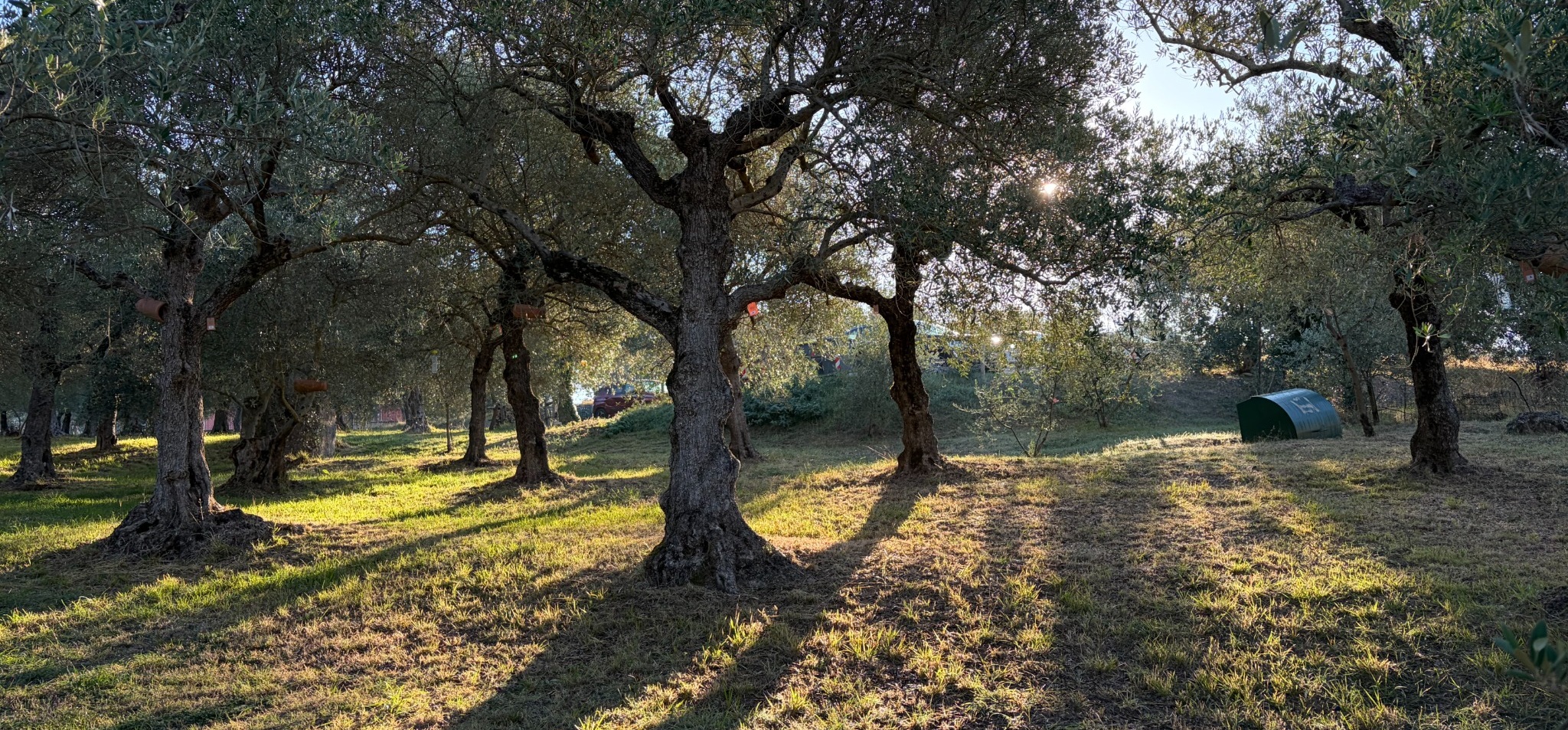
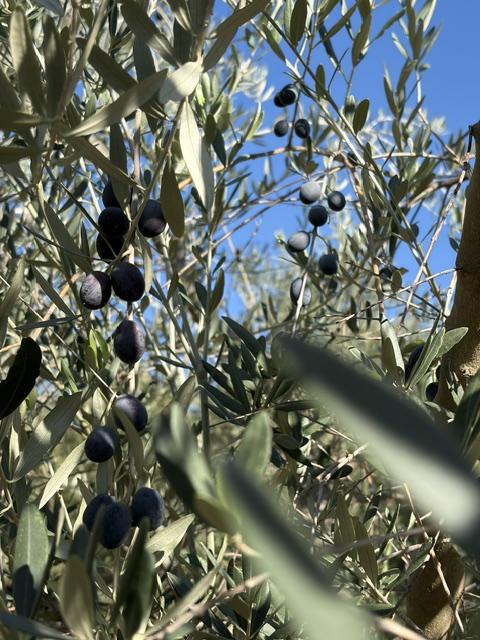
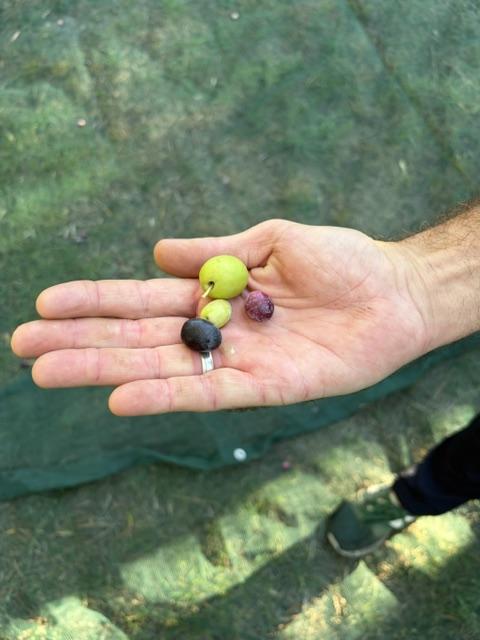
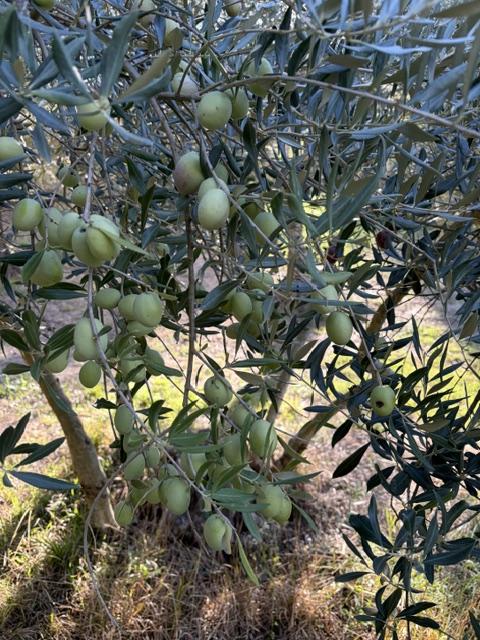
In October, I visited an olive grove in Umbria, Italy, while the olive harvest was in full swing. For almost a week, I took part in the harvest and documented the olive picking and processing at the mill in photos and videos.
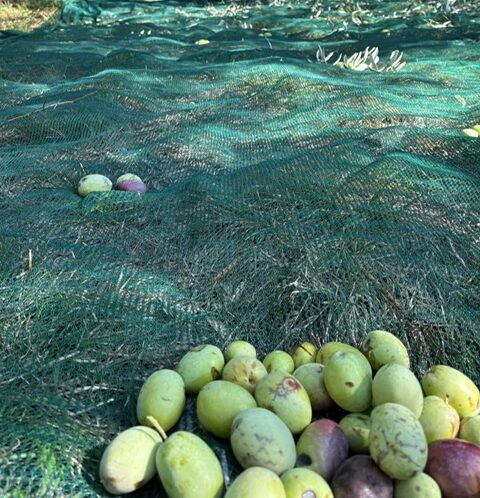
Nets are spread beneath the olive trees to catch the olives, which are then collected and tipped into crates.
The olives are picked by hand or with tools such as a vibrating rake, which shakes them loose from the branches.
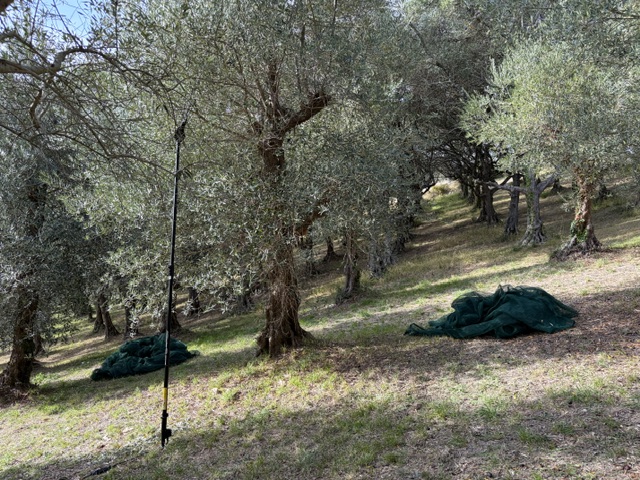
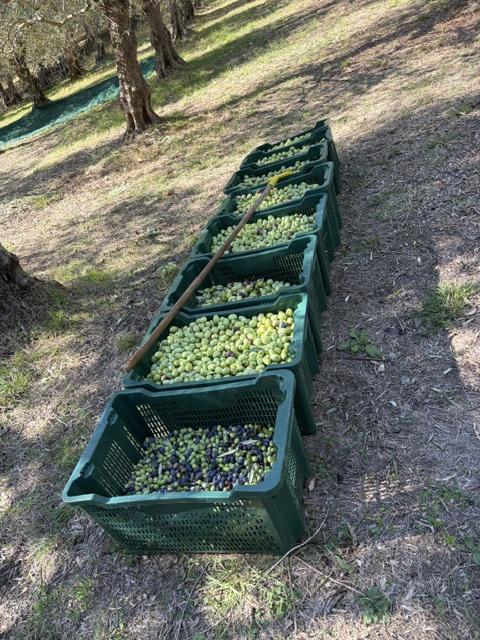
All the harvested olives end up in crates. Olives that have been lying on the ground for some time are left there.
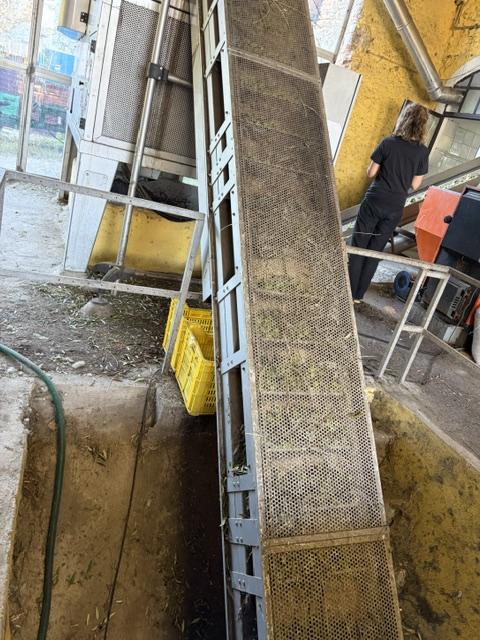
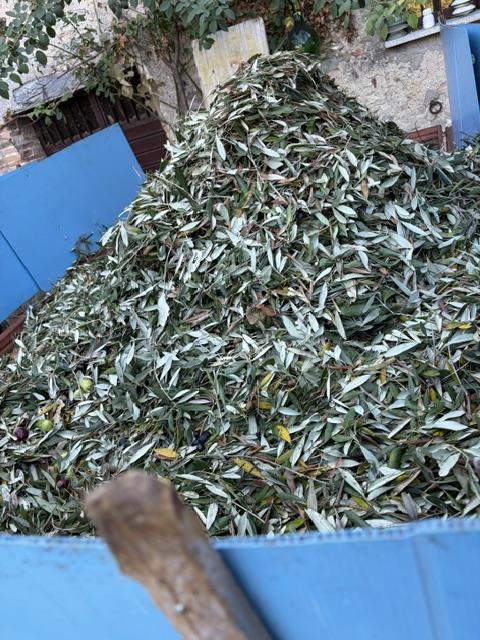
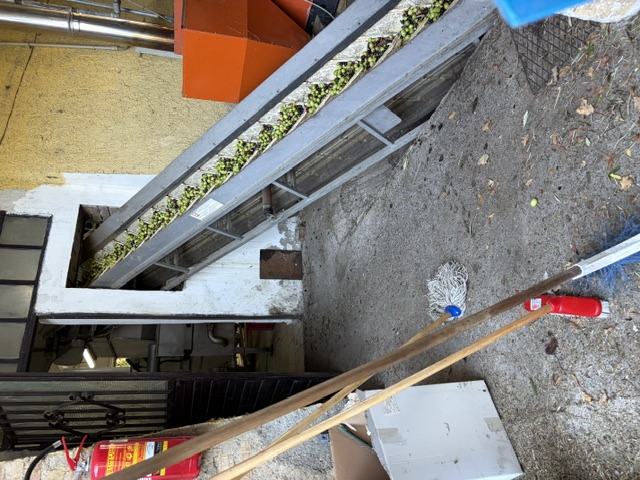
The olives then travel along a conveyor belt, where twigs, leaves and other plant material are removed.
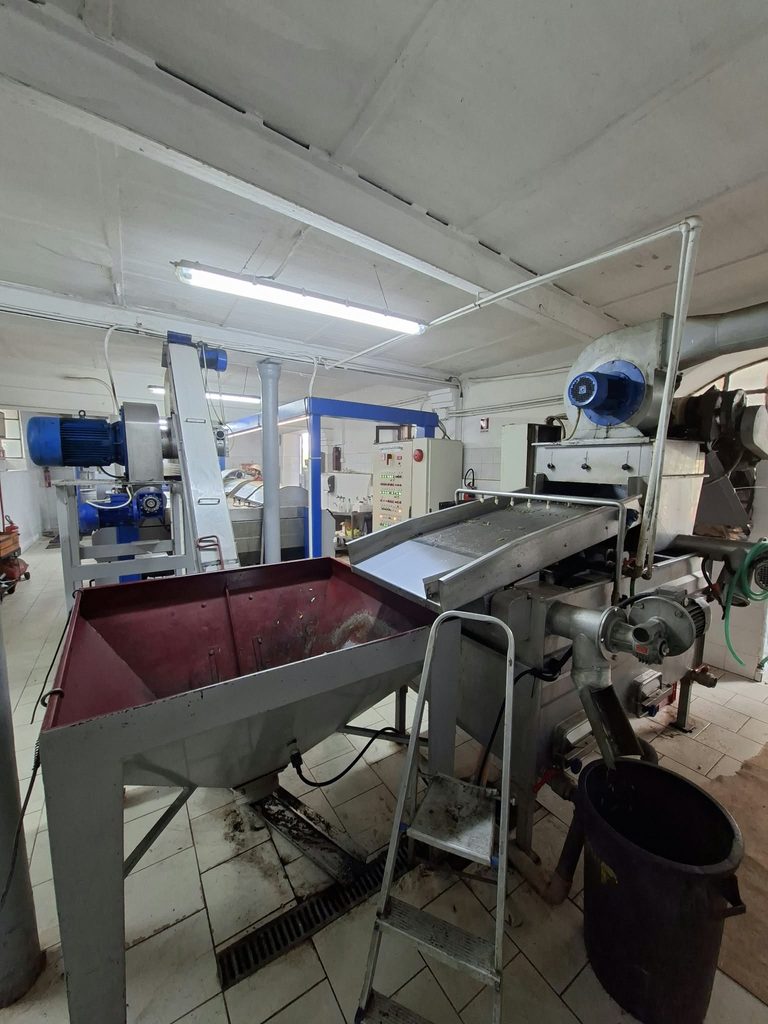
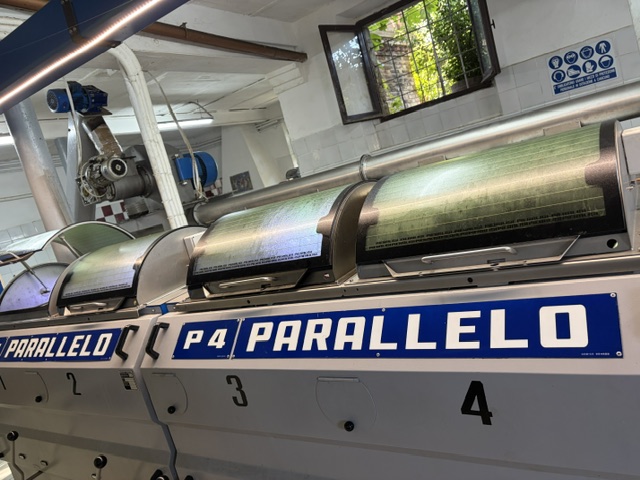
A hammer mill crushes the olives, including their stones, into a paste. The paste is then slowly mixed in a malaxer.
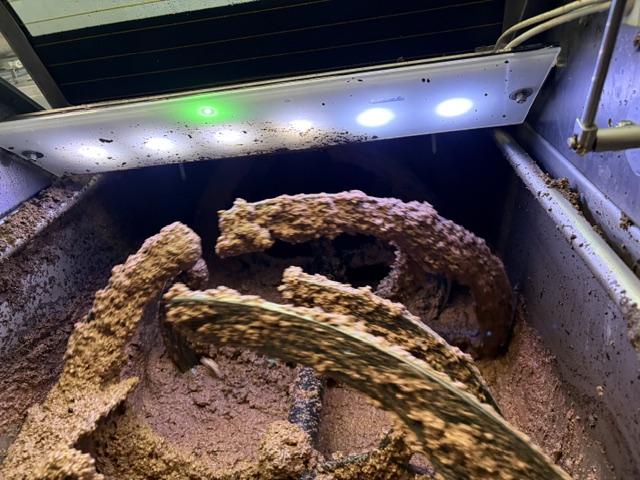
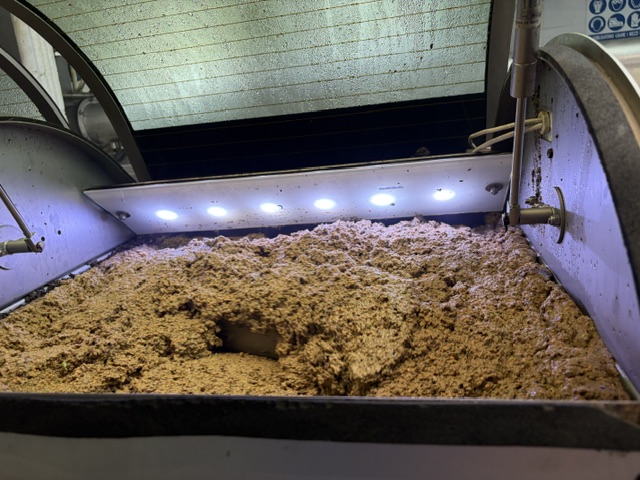
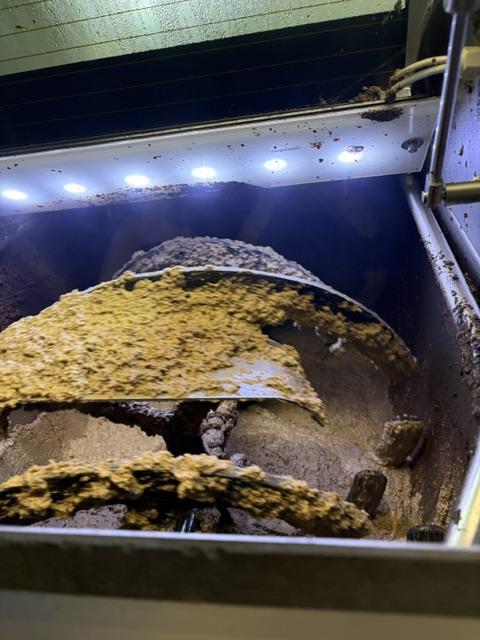
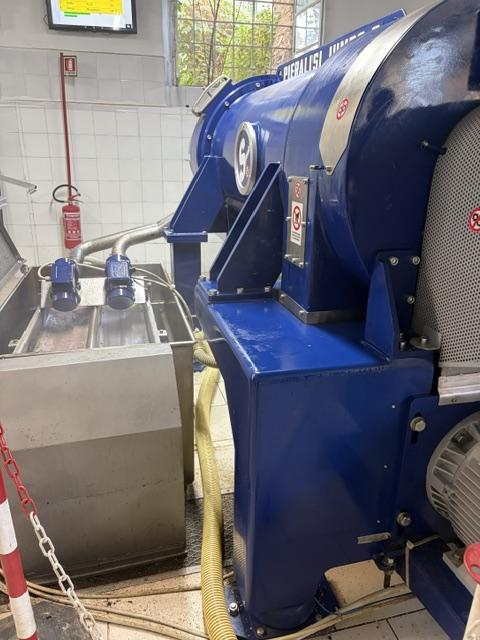
The olive paste then enters the decanter. This centrifuge spins at high speed to separate the oil from the water and remaining plant solids.
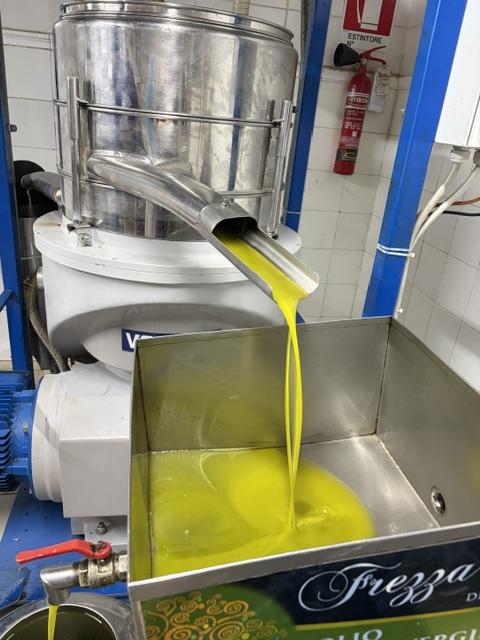
And here is the result: fresh, unfiltered olive oil flows from the centrifuge.
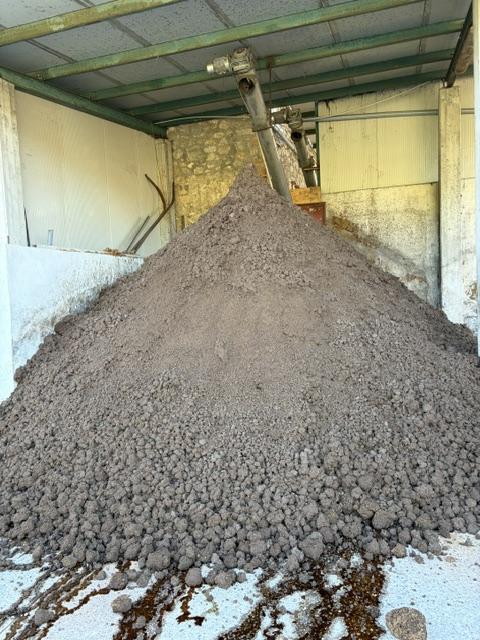
After extraction, this large heap of olive flesh, skins and stone fragments remains. This olive pomace is used for animal feed and energy production. Researchers are also exploring how processed olive pomace could be incorporated into foods for people, such as bread and pasta.
During my stay in Umbria, I also tasted an olive oil from Sardinia.
Read my tasting note in From the tasting glass
Read my tasting note in ‘From the tasting glass’ →